Ombre

Ombre

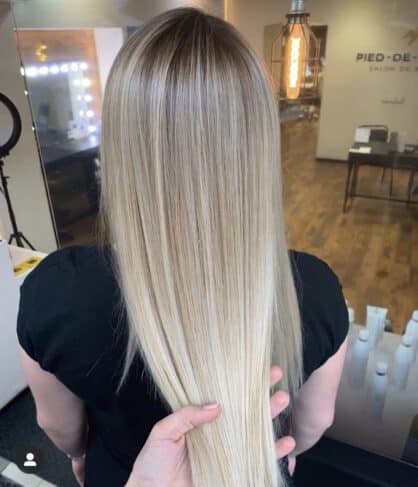
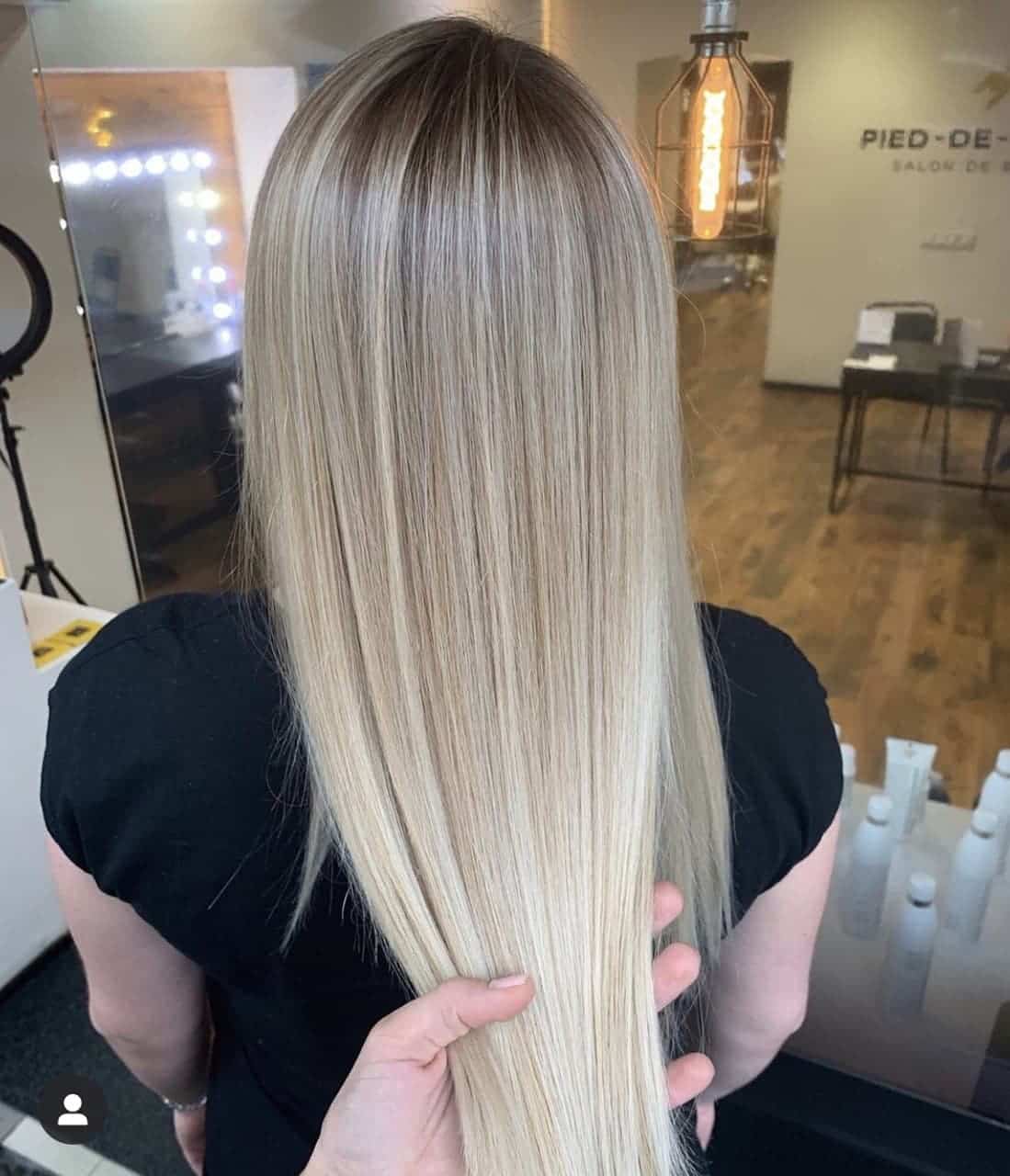
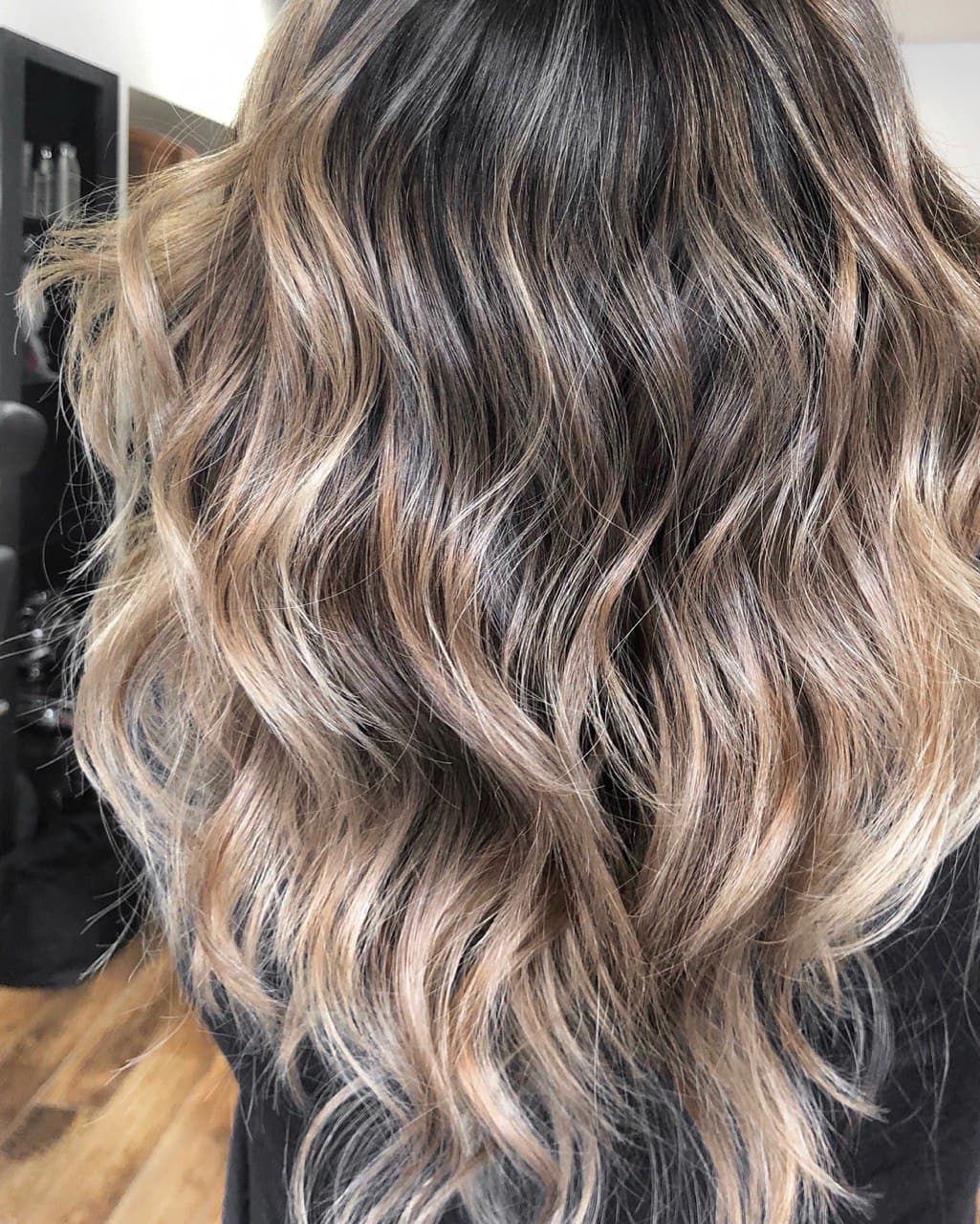
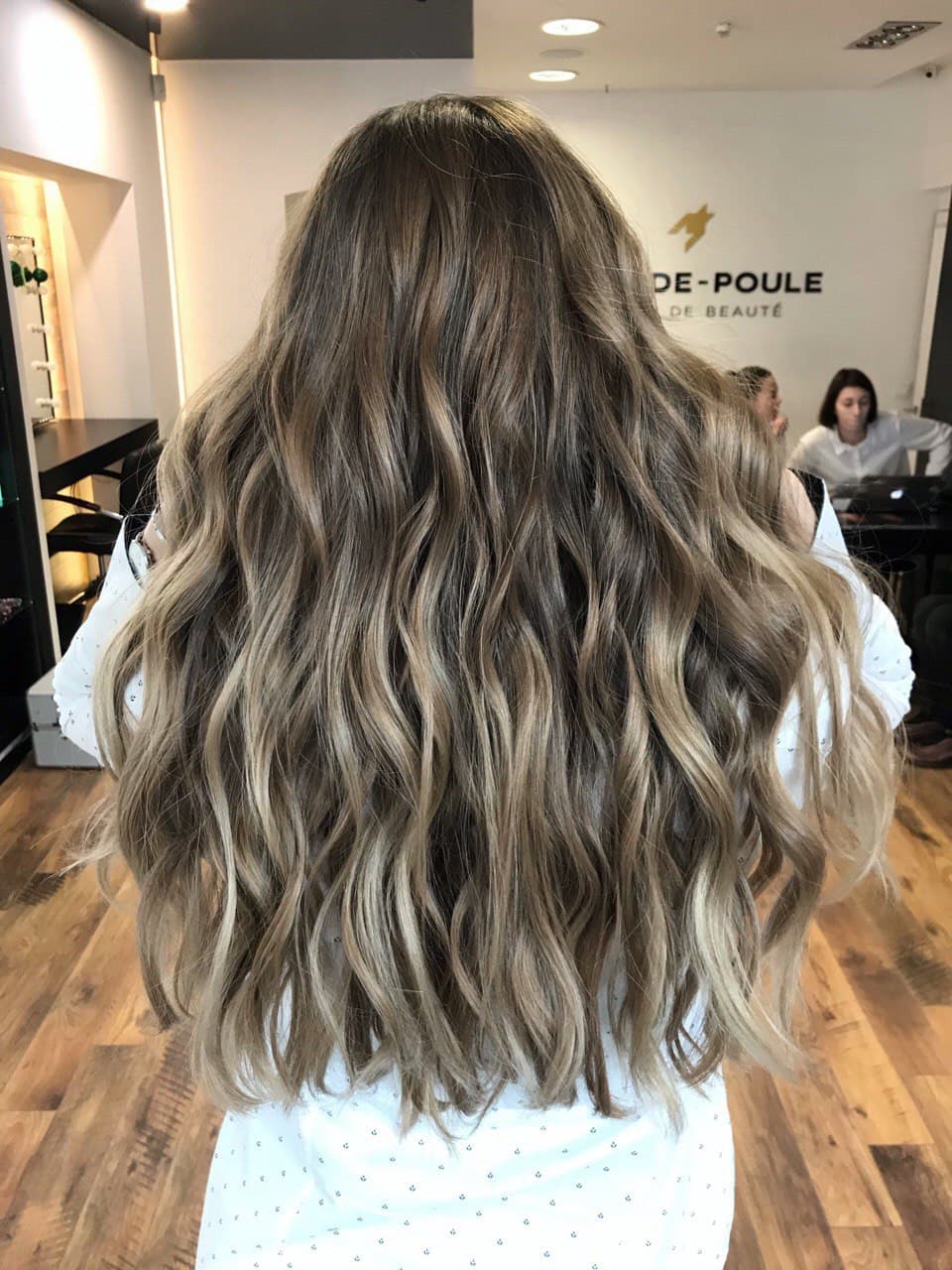
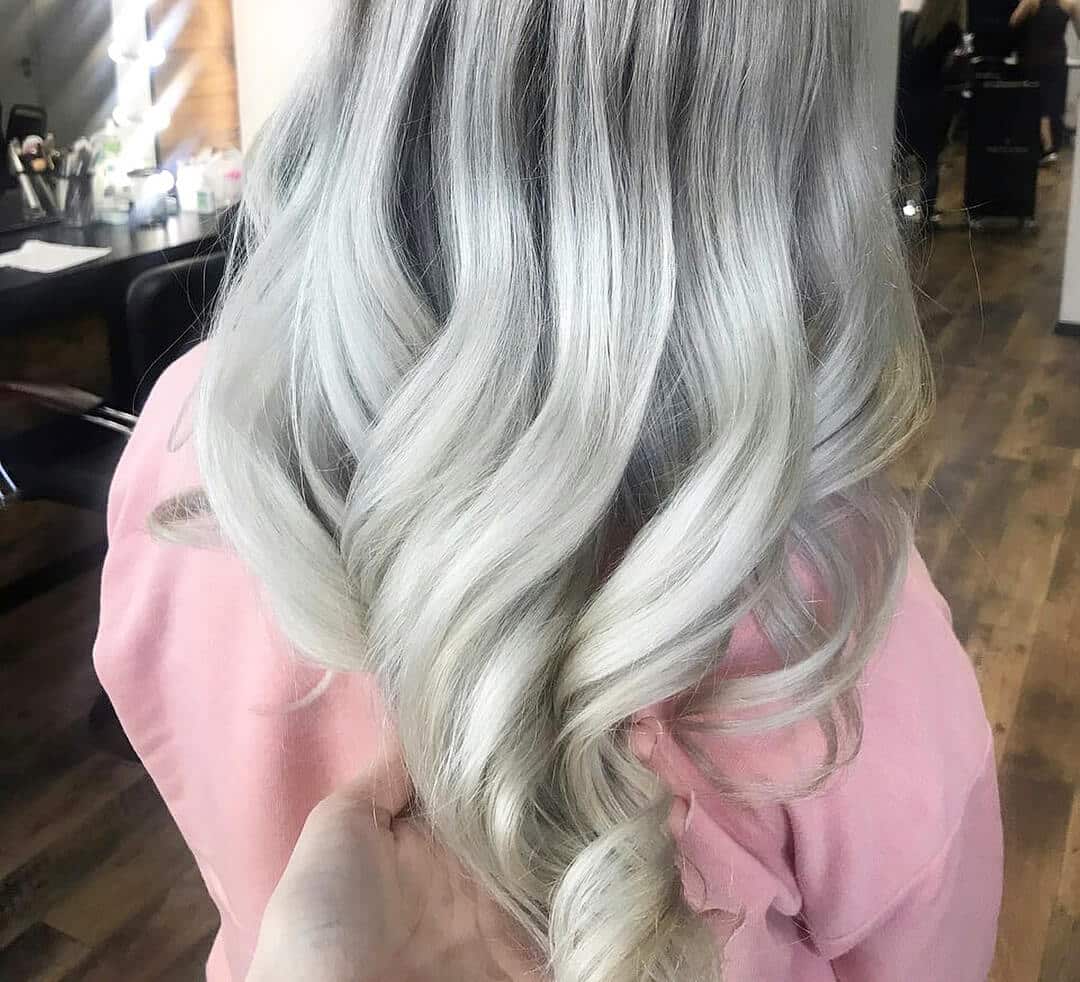
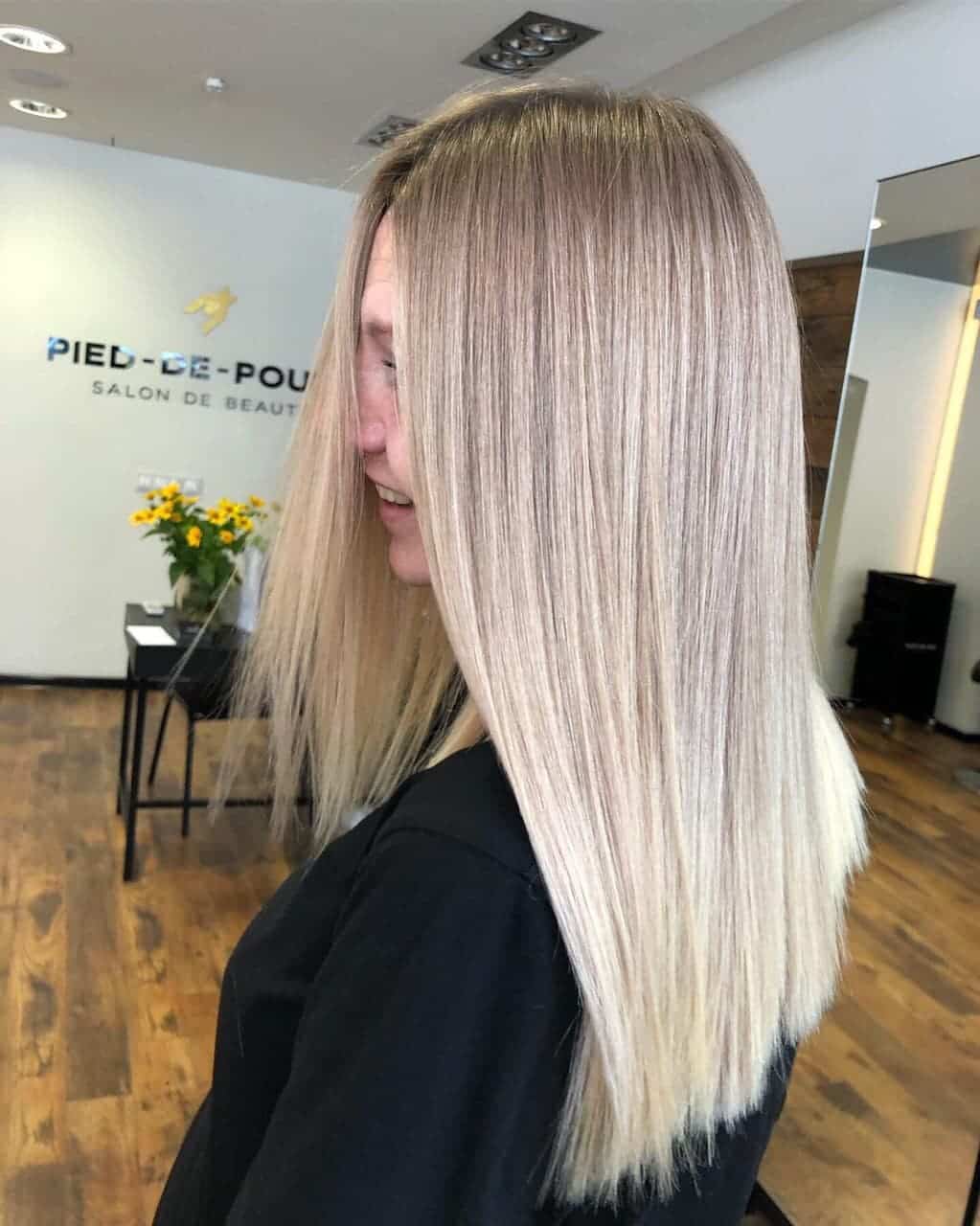
Ombre hair in Warsaw is gradient coloring — from darker roots to lighter ends or the other way around. At PIED-DE-POULE salon, we choose the variant and shades individually. Book an appointment and see what effect we can achieve on your hair.

Individual shade selection

We tailor each ombre to the client’s skin tone, natural hair color, and hair length.

Smooth or bold transitions

We create both subtle gradients and contrasting color transitions.

No visible root regrowth effect

The roots remain in their natural color, so the treatment does not require frequent touch-ups.

Products safe for the hair structure

We use proven products that minimize the risk of hair damage during the treatment.

Technika ombre — co warto wiedzieć?

Ombre is a coloring technique based on a gradient — the color gradually changes from the roots to the ends. Most often, we create a transition from darker roots to lighter ends, but the direction can also be reversed. Reverse ombre, where the ends are darker, works especially well for blondes and people with a naturally light base.

The third option is coloring with shades of pink, purple, copper, or green — a bold change without dyeing the entire head. Brown ombre is one of the most frequently chosen variants: warm, multi-tonal transitions work beautifully on dark hair. Blonde ombre, in turn, focuses on brightening the ends while keeping the roots darker — a natural-looking effect that is easy to maintain. Each variant can be done on different hair lengths, including ombre on short hair, where the gradient is more condensed but still clearly visible.

This technique works visually: it adds depth and makes the hairstyle appear longer and fuller. The gradient effect makes the hair look multi-dimensional even without styling.

The price of ombre depends on the length and thickness of the hair, the chosen variant, and the level of lightening required. If you are considering ombre in Warsaw, visit our salon — we will choose a variant suited to your hair and discuss all the details.

Strongly damaged or excessively porous hair is a contraindication. If the hair structure has been weakened by previous chemical treatments, we first recommend rebuilding and regenerating the strands — this is essential for a long-lasting and even coloring effect.

A gradient often requires prior lightening of certain hair sections, especially with a dark base. In such cases, we determine the scope of hair preparation during the consultation, before application.

After the treatment, many clients choose subtle shade balancing and color sealing, which enhances shine and evens out the gradient.

Read More

Treatment at PIED-DE-POULE — what does it look like?

01
Consultation and variant selection

We assess the base color, hair structure, and length. We choose the coloring variant, gradient direction, and shades so that the effect matches the client’s skin tone and style.

02
Hair sectioning and transition line planning

We divide the hair into sections and precisely define the level where the color change begins. This is a key stage — it determines how natural the gradient will look.

03
Product application

We apply a lightening product or hair dye according to the chosen variant. For a classic effect, we work from the ends upward, controlling the intensity of the transition on each strand.

04
Monitoring and rinsing

We monitor the process on each hair section. Once the desired tone is achieved, we rinse the product and assess the evenness of the gradient.

05
Shade correction

Depending on the result and the client’s expectations, we balance the tone — sealing the color and enhancing the shine of the ends.

06
Care and styling

We apply a regenerating mask, then dry and style the hair. We also discuss home care — what to use so the gradient stays visible and the color does not fade too quickly.

Time to preen my feathers

Book an appointment

Result, not a promise

  • Gradient tailored to your color and style

    The effect can be natural or bold — it depends on you.

  • Visual volume and depth of the hairstyle

    Multi-tonal color makes the hair look fuller.

  • Fewer salon visits than with classic coloring

    The roots grow in their natural color, so regrowth is not visible.

  • A technique for every hair length

    The coloring works well from a short bob to very long hair.

FAQ

  • Does ombre on dark hair require lightening?

    Yes, with a dark base, the ends usually need to be lightened first. We determine the scope of this stage during the consultation, before starting the application.

  • How much does the treatment cost at PIED-DE-POULE?

    The price depends on hair length, thickness, and the chosen variant. Contact us before your visit — we will provide an individual quote with no obligation.

  • How long does the effect last?

    The gradient is long-lasting, but the ends may fade without proper care. With regular use of masks and shampoos for color-treated hair, the effect can last for several months.

  • Does ombre on short hair look natural?

    Yes,on a bob or shoulder-length hair, the gradient is more condensed, but the result remains cohesive. We adjust the transition range to the length so the effect looks proportional and natural.

  • How should I care for my hair after the treatment?

    We recommend shampoos and masks for color-treated hair, sun protection, and avoiding overly frequent washing. Detailed care recommendations are discussed individually after each treatment.

More:
Book Now